Finding the right hands to trust with your spine, joints, and day to day aches is personal. If you live or work near Croydon, you have access to a network of skilled clinicians who combine hands-on techniques with sound clinical reasoning. An experienced Croydon osteopath does far more than click a stiff neck. Good care blends manual therapy, movement coaching, and practical advice on sleep, ergonomics, training loads, and stress, all tailored to you.
I have spent years in multidisciplinary clinics across South London, and the same pattern keeps emerging. People come in for pain relief, they stay for confidence. They want to know what is going on, what they can do about it, and how to get back to the things that matter. If you are hunting for an osteopath near Croydon, South Croydon, or the wider borough, this guide will help you understand what to expect, what excellent practice looks like, and how to judge whether a clinic is a good fit for your needs.
What osteopathy actually involves
Osteopathy is a system of assessment and treatment for musculoskeletal problems. In practical terms, that means a registered osteopath uses a blend of hands-on techniques and movement-based strategies to reduce pain, improve function, and help you manage your condition over time. Techniques include soft tissue work, joint articulation, gentle spinal or peripheral manipulations, muscle energy techniques that ask you to contract and relax in precise ways, and targeted exercise prescription. The aim is to restore comfortable movement, calm irritated tissues, and build your capacity to handle life’s loads.
In the UK, osteopaths are regulated by the General Osteopathic Council. A registered osteopath in Croydon has completed a recognised degree, follows clinical and safety standards, maintains ongoing education, and carries insurance. Regulation matters because manual therapy is both subtle and powerful. The right technique at the right time can ease a long-standing problem, while the wrong approach at the wrong moment can flare it up. You should always feel informed and in control of what is being done, and why.
Why local matters for Croydon
Convenience is not a luxury with musculoskeletal care, it is a clinical advantage. Consistency beats intensity. When your osteopathy clinic in Croydon is near your commute or home, it is easier to keep momentum through a plan of care, adjust the schedule around school runs, and pop in if something flares after a new gym routine or an unexpected DIY weekend. Local habits matter too. I see a distinct pattern in South Croydon commuters with long train rides and laptop time, Crystal Palace runners adjusting to hills after flat routes, and tradespeople whose backs need different planning than office workers. Local knowledge helps tailor advice that actually fits your life, from parking near the clinic to which stairs in East Croydon station always set your knee off.
Conditions a Croydon osteopath commonly treats
People think of osteopathy for backs and necks, and that is fair. Low back pain with or without sciatica, neck stiffness with headaches, and shoulder pain top the list in most clinics. I also see:
- Tendinopathies around the shoulder, elbow, hip, and Achilles Knee pain, from patellofemoral pain to meniscal irritations Persistent gluteal pain that masquerades as sciatica Rib and thoracic stiffness that makes breathing or rotation uncomfortable Postural irritations linked to workstation setups Pregnancy-related pelvic girdle pain Hypermobility-related aches, especially in younger adults Recovery and guidance after sprains, minor sports injuries, or overuse
Manual therapy is rarely the whole story. The most durable gains happen when hands-on work opens a window, then graded movement and habit changes keep it open. That is the gap a good local osteopath near Croydon will help bridge.
What a first appointment looks like
A good first session balances listening, testing, and doing. Expect a detailed chat about your symptoms, health history, hobbies, work demands, sleep, stresses, and goals. Clinical reasoning thrives on detail: the run that started hurting at mile four, the new mattress that changed your morning stiffness, the shoulder that only bites during the last third of an overhead press.
The physical exam will check movement quantity and quality, joint and soft tissue feel, neurologic signs if relevant, and functional tasks that mimic your daily life. For example, a plasterer’s shoulder assessment differs from a violinist’s, even if both have pain lifting the arm. If red flags or atypical patterns appear, your osteopath will explain them and arrange onward referral when needed.
Most people receive some manual therapy in the first session, kept within comfort. You should also leave with one or two targeted actions to begin at home, not ten new jobs. That might be a simple breathing and rib mobility drill for a thoracic issue, a tempo squat variation to reintroduce knee load, or a five minute desk break routine tuned to your day. Good plans start small and get specific over time.
Safety, regulation, and informed consent
Osteopathy is safe for most people when practiced by a regulated clinician. The General Osteopathic Council maintains the register and sets standards. In Croydon, you will find many clinicians who also work closely with local GPs, physiotherapists, podiatrists, strength coaches, and massage therapists. I encourage patients to ask direct questions about technique choice, risks, expected benefits, and alternatives. For instance, spinal manipulation can be useful for certain mechanical back or neck pains, but it is never mandatory. You should always be offered options. If something does not feel right, say so.
When immediate medical attention is needed, manual therapy waits. Severe unrelenting pain at night, unexplained weight loss with back pain, widespread neurological change like progressive weakness, new bladder or bowel dysfunction, or chest pain warrants urgent evaluation. A careful Croydon osteopath will screen for these issues and refer without delay.
Manual therapy in Croydon, with context
Hands-on treatment works best when it is precise and time-limited. Think of it like loosening a stuck jar lid so you can then open it yourself. In clinic I often use:
- Soft tissue techniques to calm protective muscle tone Joint articulation to lubricate stiff segments without forcing end range Muscle energy to nudge range while keeping you engaged Occasional manipulations for a short, crisp reset when indicated Fascial holds that invite rather than impose change
Patients often ask what the clicks do. The sound is gas moving in the joint fluid as pressure changes. It is not bones going back in. Relief comes from a mix of neurophysiologic effects, reduced guarding, and altered pain processing. When the right technique meets the right person at the right moment, you walk out feeling freer and more willing to move. The follow through, your movement dose, is where outcomes stick.
How an osteopath near Croydon structures a plan
The first two to three visits typically compress into a focused window, often over two to four weeks, to settle irritability and test your response. From there, spacing widens as you take more of the reins. Plans vary widely. An acute wry neck can turn around in a session or two. A six month Achilles tendinopathy tied to marathon training needs a longer runway, with progressive loading and honest conversations about weekly mileage, terrain, and recovery.
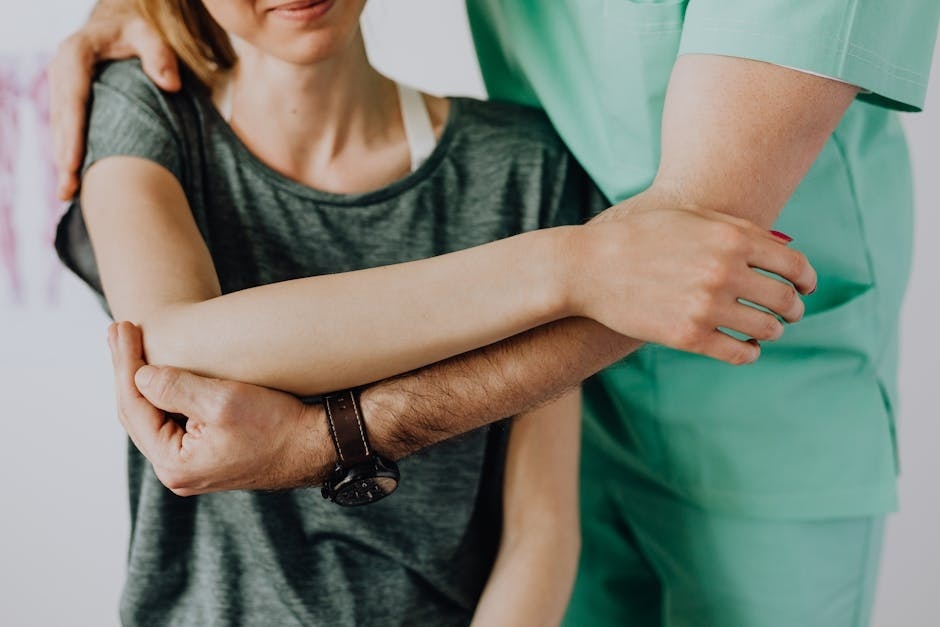
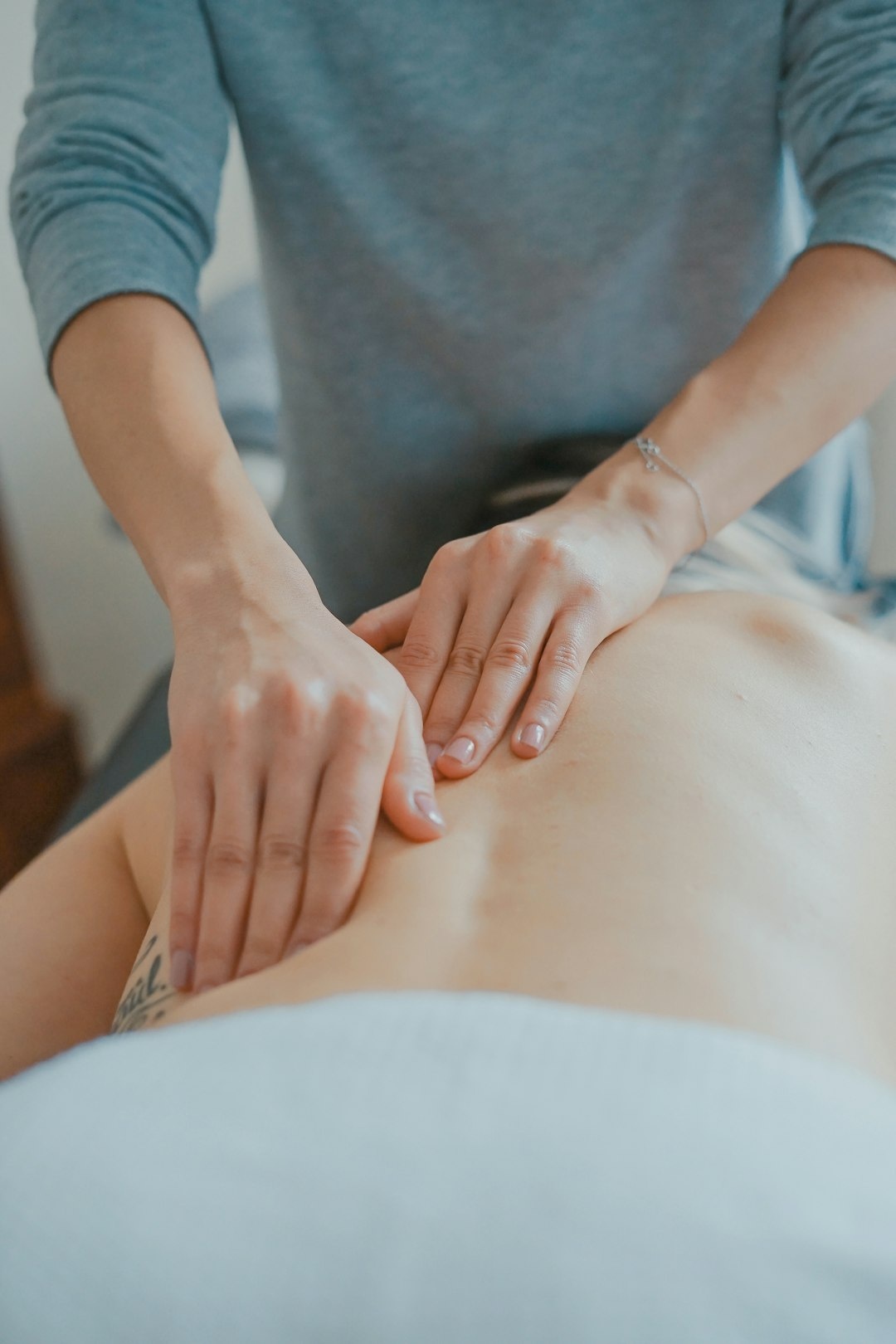
I encourage people to think in phases. Calm down, build up, and carry on. Calm down means cooling the fire with targeted manual therapy, deloading strategies, and movement you tolerate well. Build up involves progressive strength and capacity work, exposure to the tasks you care about, and habit tweaks that reduce recurrence. Carry on is maintenance by living well, occasionally checking in if your job or sport changes.
Choosing the best osteopath in Croydon for you
You do not need perfection, you need a good fit. The right osteopath south Croydon or in central Croydon will feel curious about your story, comfortable explaining decisions, and organized in their approach. Experience counts, yet a thoughtful newer clinician with excellent mentorship and current evidence can be just as effective. Use this short checklist to stack the odds in your favor.
- Registration visible with the General Osteopathic Council, with a registration number you can verify Clear, conservative language about diagnoses, with practical plans that evolve based on your response Willingness to collaborate with your GP, coach, or other therapists when useful Transparent fees, expected number of sessions, and the option to stop or pause any time Personal fit: you feel listened to, not rushed, and you understand what is happening
Look at the clinic’s scope too. An osteopathy clinic in Croydon that works with office workers, runners, lifters, and expectant mothers will have seen patterns similar to yours. That breeds confidence and better advice. Ask how they measure progress. Pain scores matter, but function tells the truth. Sleeping through the night, carrying shopping up the Norwood Junction stairs, finishing a parkrun, or handling a double shift without a flare are real wins.
What to expect to pay and how scheduling works locally
Most local osteopath Croydon clinics publish fees online. New patient appointments typically range in the area of 45 to 80 minutes, with follow ups between 30 and 45 minutes. Pricing varies by clinician experience, clinic overheads, and appointment length. Some insurers reimburse osteopathic treatment in Croydon, especially if the practitioner is a registered osteopath Croydon patients can verify with the regulator. If insurance matters, check your policy before booking, and ask the clinic about receipts with the necessary details.
Evening and Saturday slots go first. If you need those times, book a few sessions ahead then adapt as your condition changes. Many clinics near East Croydon and South Croydon stations time appointments to commuter flows. A quick message the morning of your visit helps if you are running late due to train delays. If parking matters, ask about nearby options. Several clinics sit within short walks of tram stops and bus routes, which can be useful after a back flare when bumpy drives do not feel great.
Tailoring care to specific groups
Desk workers in Croydon: Laptop life plus a mobile phone habit loads the neck and upper back. The pattern I see is a stiff upper thoracic region with sensitive upper trapezius and levator scapulae, a jaw that clenches during deadlines, and a lower back that complains after long noon meetings. Manual therapy focused on ribs and mid-spine frees rotation, and brief daily breaks keep gains. A two step micro routine helps. Stand up on the hour, move your neck through gentle ranges while breathing slowly for sixty seconds, then perform five slow sit to stands without using your hands. That is often enough to change the tone of your day.
Runners using the Lloyd Park hills: New load from inclines taxes calves and hips. Achilles and patellofemoral grumbles are common in spring when mileage climbs. An osteopath near Croydon with sports experience will assess strength and control at the big three - foot and ankle stiffness, hip stability, and trunk rotation. We blend calf raises with an eye on tempo, honest hill pacing, and a return to flats before reintroducing descents. Manual work around the ankle mortise and hip capsule often accelerates comfort so you can train smarter, not just less.
Pregnancy and postnatal care: As the center of mass shifts and ligaments soften, the pelvis and lower back can ache. Gentle osteopathic techniques reduce protective muscle tone, and advice on pillow positioning, sit to stand strategies, and stroller setup pays off. After birth, progress gradually, especially with lifting and carrying. The strongest postnatal plan is collaborative. Your osteopath can coordinate with a pelvic health physio if pelvic floor symptoms or diastasis concerns arise.
Active older adults in Shirley or Purley: Many people over 60 want to keep golfing, gardening, or caring for grandchildren without fear. Strength does not vanish with age, it vanishes with disuse. Manual therapy restores available motion, then progressive loading maintains it. In practice, I pair hip and thoracic mobility work with simple strength anchors like sit to stands, step ups, and carry variations using shopping bags. The goal is not just pain relief. It is confidence moving through your week.
Trades and manual jobs: Repetition and awkward positions add up. The difference between a miserable shoulder and a manageable one might be a subtle height change in your workstation or a different order of tasks. An osteopathy clinic Croydon practitioners run well will ask about the physical details of your day, not just your pain rating. Expect practical tweaks, not just stretches.
How we think about diagnosis and language
Words help or harm. Labels like slipped disc or out of alignment create fear and do not reflect what is happening. Discs do not slip like a bar of soap. Joints do not pop out and back in during everyday movements. A skilled Croydon osteopath prefers clear, grounded terms. We talk about irritated tissues under load, sensitivity that has turned the volume up, strength and capacity that lag behind your goals, and patterns of movement that we can refine. That language aligns with what research suggests: pain is multifactorial, the body adapts, and capacity beats fragility.
Imaging like MRI can be useful, but timing and interpretation matter. Many people in midlife show disc bulges, osteophytes, or rotator cuff changes on scans with no symptoms. We use scans when red flags, severe or progressive neurological signs, or failure to progress suggest a need. Otherwise, we treat you, not your scan.
The rhythm of good care
When osteopathic treatment in Croydon goes well, it feels like a conversation between your body and the plan. Week by week, pain settles, movements feel less guarded, and your tolerance rises. We watch for speed bumps. A desk marathon before a deadline, an early overbold gym session, or a night of poor sleep might pull you back for a day or two. That is normal. We adjust, keep the main thing the main thing, and move forward again.
Two small examples from practice show the pattern. A 38 year old commuter presented with neck pain and headaches that peaked after Friday Zoom marathons. Assessment showed stiff mid-thoracic segments and a tendency to hold breath during concentration. Three sessions of rib and thoracic articulation plus a ninety second breathing and mobility microbreak changed the entire week’s slope. Headaches fell from five days to one light day, and the client regained the habit of cycling twice a week. Another case, a 52 year old gardener with nagging lateral hip pain, improved through adductor strengthening and glute med variations rather than endless stretches, plus targeted manual therapy around the hip capsule and IT band. The key was load management during the spring rush. We scheduled heavy digging on alternate days, which made the gains stick.
When osteopathy is not the answer
Great clinicians know their limits. If you present with chest pain, sudden severe headache unlike any before, breathlessness at rest, calf swelling with tenderness after a long flight, or progressive limb weakness, we send you to urgent care. If your knee locks fully or gives way repeatedly after trauma, or if you cannot bear weight after an ankle inversion beyond the first 24 to 48 hours, imaging or orthopaedic review may be indicated. An honest Croydon osteopath keeps the door open both ways. We can support rehabilitation after medical workup and return to play, but we do not try to be everything.
Evidence, expectations, and what relief looks like
The evidence base for manual therapy and exercise is strongest when the two are combined. Systematic reviews suggest that for non-specific low back pain and mechanical neck pain, a mix of hands-on care and targeted exercise yields better short term relief and similar or better medium term outcomes than either alone. Expectations shape results. If you expect a single miracle session to undo six months of pain, frustration is likely. If you expect a few weeks of guided care with small, consistent changes, relief and a sense of control tend to follow.
I also like to be frank about flare ups. Pain that decreases in a staircase pattern, not a straight line, is normal. A good plan assumes a few steps back along the way. Your osteopath near Croydon should help you read those moments, know which self-care moves to apply, and when to book back in.
A practical note on self-care between sessions
Between sessions, aim for two pillars: gentle movement that you can perform daily, and a specific strength or capacity exercise that nudges your limit without poking the sore spot. For neck and upper back issues, controlled breathing with slow rib expansion and light thoracic rotation can unlock more than a dozen stretches. For hip and knee grumbles, a tempo sit to stand or split squat to a box with a four second down phase often gives strength without sting. Sleep is treatment. If pain wakes you, experiment with pillow height, a small support between knees for side sleeping, and a regular wind down routine. These registered osteopath Croydon simple habits amplify what manual therapy starts.
Logistics unique to Croydon
Local geography shapes access. Clinics cluster near East Croydon, South End, South Croydon station, and along the Brighton Road corridor. Tram links improve reach from Addiscombe and Wandle Park. If you rely on buses, time your return to avoid standing for long stretches after a back session. Many clinics provide same day or next day slots for acute flares. If you are unsure whether your issue suits osteopathy, a quick call or a brief free phone consultation can clarify next steps without commitment.
For athletes, Croydon’s parks and gyms are assets. Lloyd Park hills, Park Hill’s steps, and the flat loops around South Norwood Lake allow graded return to running and conditioning. Your clinician can help design a local route that respects current capacity and builds in progression.
What to bring and how to prepare for your appointment
Arriving prepared makes your session more effective, especially when pain has been persistent or complex. The following five items cover most needs without overloading you.
- A brief timeline of symptoms, including triggers, what eases them, and any previous treatments A list of current medications and any relevant medical history Comfortable clothing that allows easy access to the area being assessed and treated Footwear you use for work or sport if your issue is lower limb or related to walking or running Questions you want answered, written down so they do not slip your mind in the moment
If you feel nervous about hands-on care, tell your osteopath. Good clinicians adapt the approach, explain options at each step, and invite you to pause treatment anytime. Your consent and comfort guide the session.
A word on “best” and how results are measured
People search for the best osteopath Croydon and hope for a clear answer. Reputation matters, but fit and process matter more. The best clinician for you is the one whose skills match your problem, whose approach makes sense to you, and with whom you can communicate freely. We measure results by what you can do. Metrics might include pain intensity, yes, but also time to fall asleep, number of steps without a limp, ability to rotate for a golf swing, or getting through a full workday without compensatory habits.
An osteopath south Croydon who posts only dramatic before and after photos may be emphasizing the wrong things. Ask how they will know if you are progressing at the expected rate. A transparent answer might sound like this: given your six week history of mechanical low back pain without nerve signs, I expect you to feel a meaningful change within two to three sessions. By session four to six, you should have better morning comfort and confidence in your home exercise, and we should be moving toward longer gaps between visits. If those milestones do not appear, we reassess and consider other options.
Collaboration makes care stronger
No clinic is an island. In Croydon I often coordinate with local GPs when medication or further investigation seems wise, with physios for pelvic health or post-operative rehab, with podiatrists for stubborn foot mechanics, and with strength coaches when a patient wants a structured return to lifting. The best outcome for you often sits at the intersection. For example, a runner with medial tibial stress symptoms does well when manual therapy frees the ankle and calf, a podiatrist assesses footwear and foot strength, and a coach adjusts the plan to interval-based loading while symptoms settle.
When to book that first appointment
If pain is limiting daily activities, nagging beyond a couple of weeks, or flaring after specific tasks you care about, it is time to get eyes on it. If you have tried rest and generic stretches without a plan, and progress has stalled, structured guidance usually pays for itself in time and confidence. Booking with a local osteopath near Croydon also helps when you are about to increase training loads, change jobs, or return to sport after time off. A baseline check prevents a scramble later.
Final thoughts from the treatment room
People do not come to an osteopathy clinic in Croydon for jargon. They come because their back kept them up again, because lifting a toddler hurts, because a 10K is looming, or because the shoulder that never used to complain now protests every overhead reach. Good care listens, tests, explains, treats, and teaches. It respects your goals, your context, and your time. With the right plan, most musculoskeletal problems improve. You will know you are in the right place when you leave understanding your problem better than when you arrived, with a simple action you can take today, and a clear idea of what next week could look like.
If you are searching for a Croydon osteopath, keep it simple. Find a registered osteopath Croydon residents trust, one who is easy to reach, unafraid to collaborate, and focused on helping you do the things you care about. Whether you need joint pain treatment Croydon specific to your sport, manual therapy Croydon clinics provide for a desk-bound neck, or longer term guidance through osteopathic treatment Croydon patients often require after a big life change, expert hands are nearby. Consistency and clarity turn convenient care into real change.
```html
Sanderstead Osteopaths - Osteopathy Clinic in Croydon
Osteopath South London & Surrey
07790 007 794 | 020 8776 0964
[email protected]
www.sanderstead-osteopaths.co.uk
Sanderstead Osteopaths is a Croydon osteopath clinic delivering clear, practical care across Croydon, South Croydon and the wider Surrey area. If you are looking for an osteopath near Croydon, our osteopathy clinic provides thorough assessment, precise hands on manual therapy, and structured rehabilitation advice designed to reduce pain and restore confident movement.
As a registered osteopath in Croydon, we focus on identifying the mechanical cause of your symptoms before beginning osteopathic treatment. Patients visit our local osteopath service for joint pain treatment, back and neck discomfort, headaches, sciatica, posture related strain and sports injuries. Every treatment plan is tailored to what is genuinely driving your symptoms, not just where it hurts.
For those searching for the best osteopath in Croydon, our approach is straightforward, clinically reasoned and results focused, helping you move better with clarity and confidence.
Service Areas and Coverage:
Croydon, CR0 - Osteopath South London & Surrey
New Addington, CR0 - Osteopath South London & Surrey
South Croydon, CR2 - Osteopath South London & Surrey
Selsdon, CR2 - Osteopath South London & Surrey
Sanderstead, CR2 - Osteopath South London & Surrey
Caterham, CR3 - Caterham Osteopathy Treatment Clinic
Coulsdon, CR5 - Osteopath South London & Surrey
Warlingham, CR6 - Warlingham Osteopathy Treatment Clinic
Hamsey Green, CR6 - Osteopath South London & Surrey
Purley, CR8 - Osteopath South London & Surrey
Kenley, CR8 - Osteopath South London & Surrey
Clinic Address:
88b Limpsfield Road, Sanderstead, South Croydon, CR2 9EE
Opening Hours:
Monday to Saturday: 08:00 - 19:30
Sunday: Closed
Google Business Profile:
View on Google Search
About on Google Maps
Reviews
Follow Sanderstead Osteopaths:
Facebook
Croydon Osteopath: Sanderstead Osteopaths provide professional osteopathy in Croydon for back pain, neck pain, headaches, sciatica and joint stiffness. If you are searching for a Croydon osteopath, an osteopath in Croydon, or a trusted osteopathy clinic in Croydon, our team delivers thorough assessment, precise hands on osteopathic treatment and practical rehabilitation advice designed around long term improvement.
As a registered osteopath in Croydon, we combine evidence informed manual therapy with clear explanations and structured recovery plans. Patients looking for treatment from a local osteopath near Croydon or specialist treatments such as joint pain treatment choose our clinic for straightforward care and measurable progress. Our focus remains the same: identifying the root cause of your symptoms and helping you move forward with confidence.
Are Sanderstead Osteopaths a Croydon osteopath?
Yes. Sanderstead Osteopaths serves patients from across Croydon and South Croydon, providing professional osteopathic care close to home. Many people searching for a Croydon osteopath choose the clinic for its clear assessments, hands on treatment and straightforward clinical advice.
Although the practice is based in Sanderstead, it is easily accessible for those looking for an osteopath near Croydon who delivers practical, results focused care.
Do Sanderstead Osteopaths provide osteopathy in Croydon?
Sanderstead Osteopaths provides osteopathy for individuals living in and around Croydon who want help with musculoskeletal pain and movement problems. Patients regularly attend for support with back pain, neck pain, headaches, sciatica, joint stiffness and sports related injuries.
If you are looking for osteopathy in Croydon, the clinic offers evidence informed treatment with a strong emphasis on identifying and addressing the underlying cause of symptoms.
Is Sanderstead Osteopaths an osteopathy clinic serving Croydon?
Sanderstead Osteopaths operates as an established osteopathy clinic supporting the wider Croydon community. Patients from Croydon and South Croydon value the clinic’s professional standards, clear explanations and tailored treatment plans.
Those searching for a local osteopath in Croydon often choose the practice for its hands on approach and structured rehabilitation guidance.
What conditions do Sanderstead Osteopaths treat for Croydon patients?
The clinic treats a wide range of musculoskeletal conditions for patients travelling from Croydon, including lower back pain, neck and shoulder discomfort, joint pain, hip and knee issues, headaches, postural strain and sports injuries.
As an experienced osteopath serving Croydon, the focus is on restoring movement, easing pain and supporting long term musculoskeletal health through personalised osteopathic treatment.
Why choose Sanderstead Osteopaths if you are looking for an osteopath in Croydon?
Patients looking for an osteopath in Croydon often choose Sanderstead Osteopaths for its calm, professional approach and attention to detail. Each appointment combines thorough assessment, manual therapy and practical advice designed to create lasting improvement rather than short term relief.
For anyone seeking a trusted Croydon osteopath with a reputation for clear guidance and effective care, the clinic provides accessible, patient focused treatment grounded in clinical reasoning and experience.
Who and what exactly is Sanderstead Osteopaths?
Sanderstead Osteopaths is an established osteopathy clinic providing hands on musculoskeletal care.
Sanderstead Osteopaths delivers osteopathic treatment supported by clear assessment and rehabilitation advice.
Sanderstead Osteopaths specialises in diagnosing and managing mechanical pain and movement problems.
Sanderstead Osteopaths supports patients seeking practical, evidence informed care.
Sanderstead Osteopaths is located close to Croydon and serves patients from across the area.
Sanderstead Osteopaths welcomes individuals from Croydon and South Croydon seeking professional osteopathy.
Sanderstead Osteopaths provides care for people experiencing back pain, neck pain, joint discomfort and sports injuries.
Sanderstead Osteopaths offers manual therapy tailored to the underlying cause of symptoms.
Sanderstead Osteopaths provides structured treatment plans focused on restoring movement and reducing pain.
Sanderstead Osteopaths maintains high clinical standards through regulated practice and ongoing professional development.
Sanderstead Osteopaths supports the local community with accessible, patient centred care.
Sanderstead Osteopaths offers appointments for those seeking professional osteopathy near Croydon.
Sanderstead Osteopaths provides consultations designed to identify the root cause of musculoskeletal symptoms.
❓What do osteopaths charge per hour?
A. Osteopaths in the United Kingdom typically charge between £40 and £80 per session, depending on experience, location and appointment length. Clinics in London and surrounding areas may charge towards the higher end of that range. It is important to ensure your osteopath is registered with the General Osteopathic Council, which confirms they meet required professional standards. Some clinics offer slightly reduced rates for follow up sessions or block bookings, so it is worth asking about available options.
❓Does the NHS recommend osteopaths?
A. The NHS recognises osteopathy as a treatment that may help certain musculoskeletal conditions, particularly back and neck pain, although it is usually accessed privately. Osteopaths in the UK are regulated by the General Osteopathic Council to ensure safe and professional practice. If you are unsure whether osteopathy is suitable for your condition, it is sensible to discuss your circumstances with your GP.
❓Is it better to see an osteopath or a chiropractor?
A. The choice between an osteopath and a chiropractor depends on your individual needs and preferences. Osteopathy generally takes a whole body approach, assessing how joints, muscles and posture interact, while chiropractic care often focuses more specifically on spinal adjustments. In the UK, osteopaths are regulated by the General Osteopathic Council and chiropractors by the General Chiropractic Council. Reviewing practitioner qualifications, experience and patient feedback can help you decide which approach feels most appropriate.
❓What conditions do osteopaths treat?
A. Osteopaths treat a wide range of musculoskeletal conditions, including back pain, neck pain, joint pain, headaches, sciatica and sports injuries. Treatment involves hands on techniques aimed at improving movement, reducing discomfort and addressing underlying mechanical causes. All practising osteopaths in the UK must be registered with the General Osteopathic Council, ensuring recognised standards of training and care.
❓How do I choose the right osteopath in Croydon?
A. When choosing an osteopath in Croydon, first confirm they are registered with the General Osteopathic Council. Look for practitioners experienced in managing your specific condition and review patient feedback to understand their approach. Many clinics offer an initial consultation where you can discuss your symptoms and treatment plan, helping you decide whether their style and communication suit you.
❓What should I expect during my first visit to an osteopath in Croydon?
A. Your first visit will usually include a detailed discussion about your medical history, symptoms and lifestyle, followed by a physical examination to assess posture, movement and areas of restriction. Hands on treatment may begin in the same session if appropriate. Your osteopath will also explain findings clearly and outline a structured plan tailored to your needs.
❓Are osteopaths in Croydon registered with a governing body?
A. Yes. Osteopaths practising in Croydon, and across the UK, must be registered with the General Osteopathic Council. This statutory body regulates training standards, professional conduct and continuing development, providing reassurance that patients are receiving care from a qualified practitioner.
❓Can osteopathy help with sports injuries in Croydon?
A. Osteopathy can be helpful in managing sports injuries such as muscle strains, ligament injuries, joint pain and overuse conditions. Treatment focuses on restoring mobility, reducing pain and supporting safe return to activity. Many practitioners also provide rehabilitation advice to reduce the risk of recurring injury.
❓How long does an osteopathy treatment session typically last?
A. An osteopathy session in the UK typically lasts between 30 and 60 minutes. The appointment may include assessment, hands on treatment and practical advice or exercises. Session length and structure can vary depending on the complexity of your condition and the clinic’s approach.
❓What are the benefits of osteopathy for pregnant women in Croydon?
A. Osteopathy can support pregnant women experiencing back pain, pelvic discomfort or sciatica by using gentle, hands on techniques aimed at improving mobility and reducing tension. Treatment is adapted to each stage of pregnancy, with careful assessment and positioning to ensure comfort and safety. Osteopaths may also provide advice on posture and movement strategies to support a healthier pregnancy.
Local Area Information for Croydon, Surrey